Summary
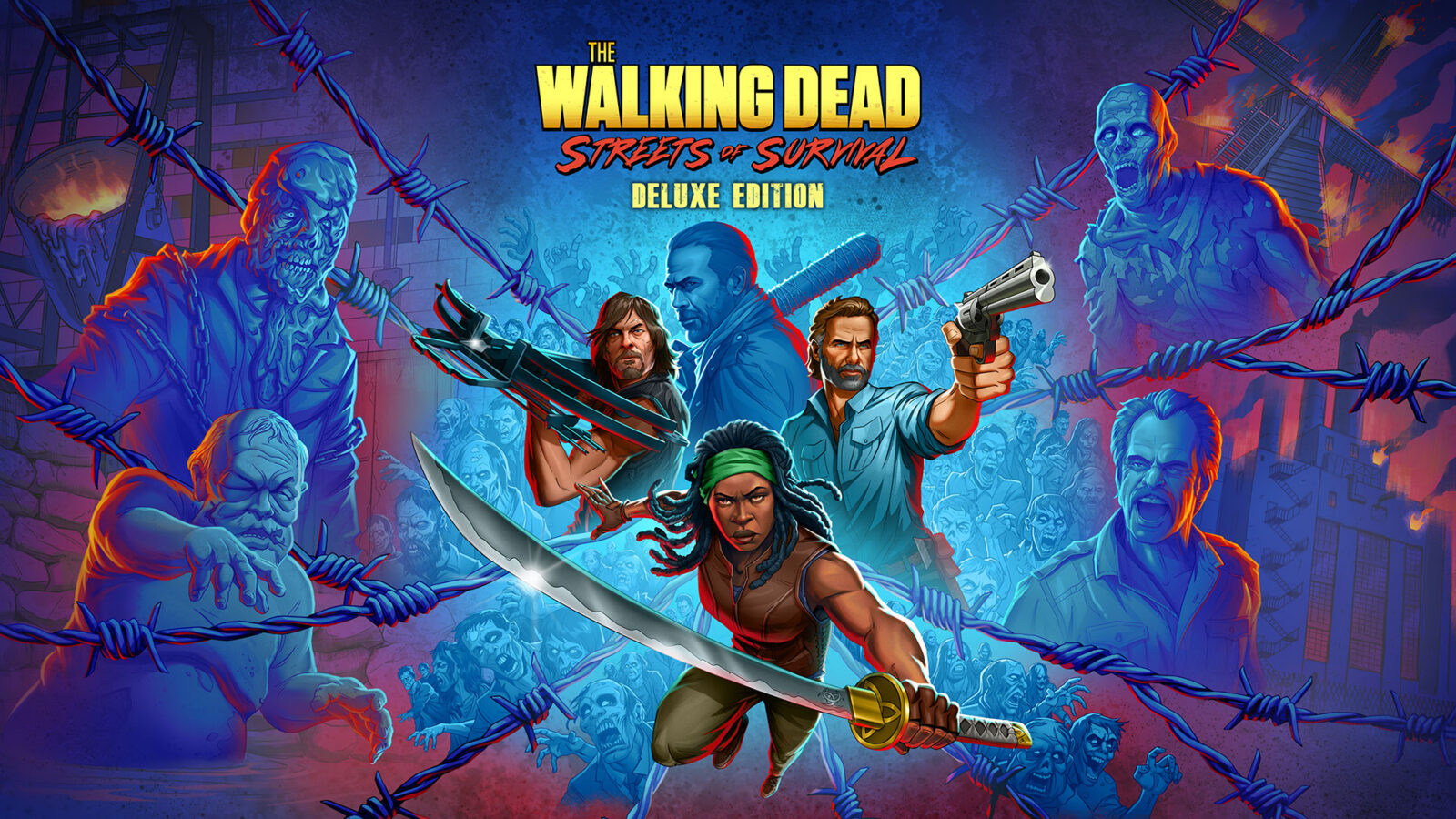
- Available now on Xbox Series X|S and PC, with XPA support and shared saves.
- How the hybrid of survival and classic brawler took shape.
- Different signature weapons, movesets and skill trees per character.
Hello everyone. The Walking Dead: Streets of Survival is available now on Xbox Series X|S and PC, and rather than walk you through a feature list, I wanted to talk about the decisions that went into creating it.
Two Genres, One Apocalypse
AMC’s “The Walking Dead” is a world defined by scarcity, tension, and the consequences of every decision. The “All Out War” arc adds another dimension to that foundation: momentum, escalation, and increasingly intense confrontations as the conflict with the Saviors grows.
Streets of Survival brings those qualities together through a blend of exploration, resource management, and arcade-inspired brawler combat. Search your surroundings, gather supplies and information, and decide how best to approach the dangers ahead. When conflict erupts, combat delivers the immediacy and intensity the story demands, while keeping every encounter grounded in a larger purpose.
You are not simply clearing rooms or fighting toward a score screen. Every confrontation moves you closer to an objective, a character, or a reckoning with the Saviors. Exploration creates tension, resources give decisions weight, and combat provides the payoff, combining into an experience built around the escalating conflict at the heart of The Walking Dead’s All Out War.
Three Survivors, Three Rhythms
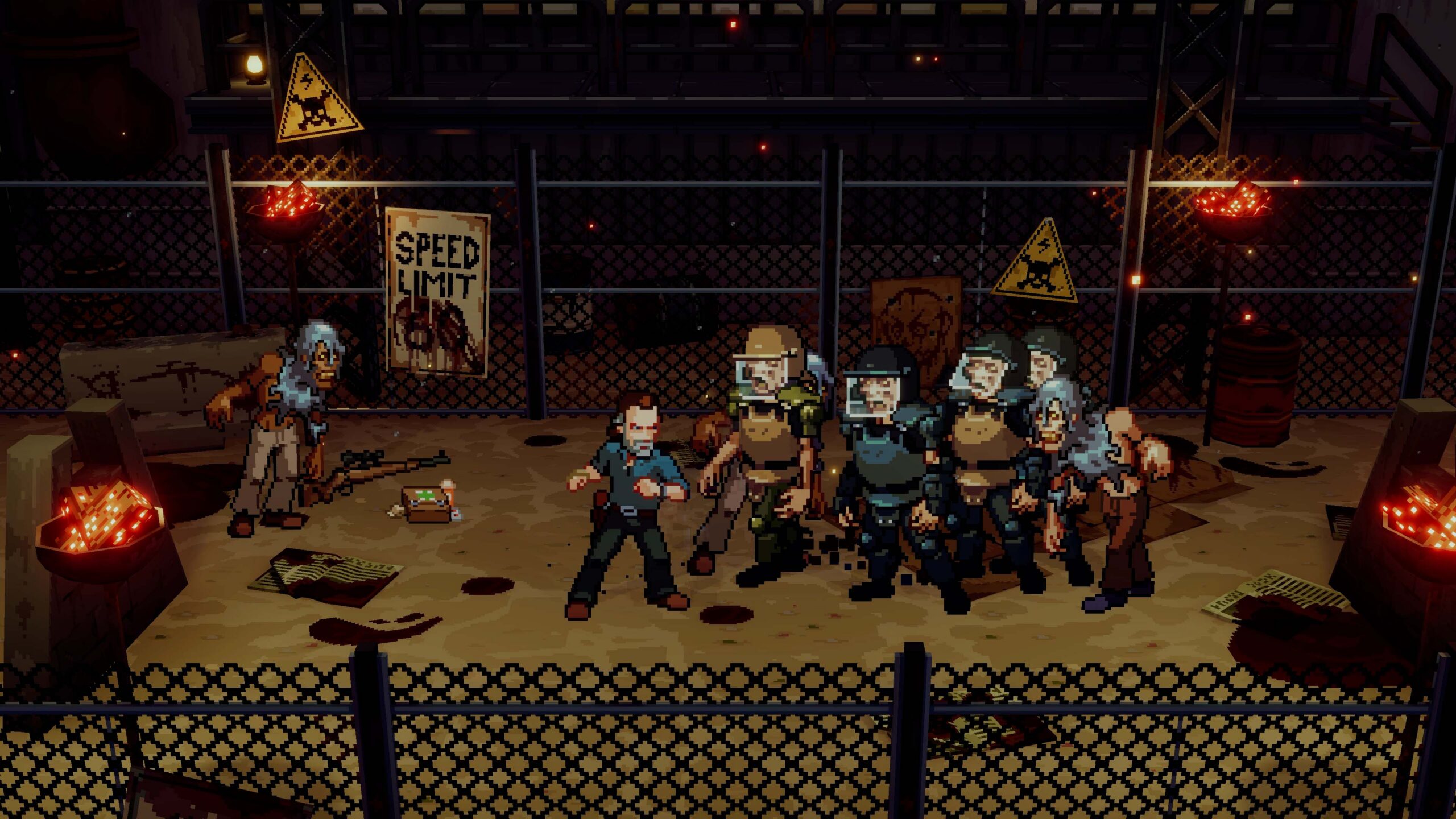
Rick, Daryl and Michonne are not three skins over one moveset. Each has a signature weapon, a separate set of animations and their own skill tree that you invest in every level, which means the same encounter requires a different strategy depending on the selected character.
Rick relies on his magnum: long-range firepower that turns every fight into an ammo-management problem. Michonne thrives in close quarters, cutting through hordes with her katana and rewarding you for staying inside the danger. Daryl uses his crossbow to thin threats from a distance before diving in to finish the rest, which makes him the most positional of the three.
The levels are tailored around the character meant to play them, creating an experience that adjusts to that character’s available weapons and abilities and giving more freedom in the design, while delivering a custom puzzle for players to solve in each situation.
Crowds and Opponents are Different Problems
The second big design decision was to stop treating enemies as one mass enemy.
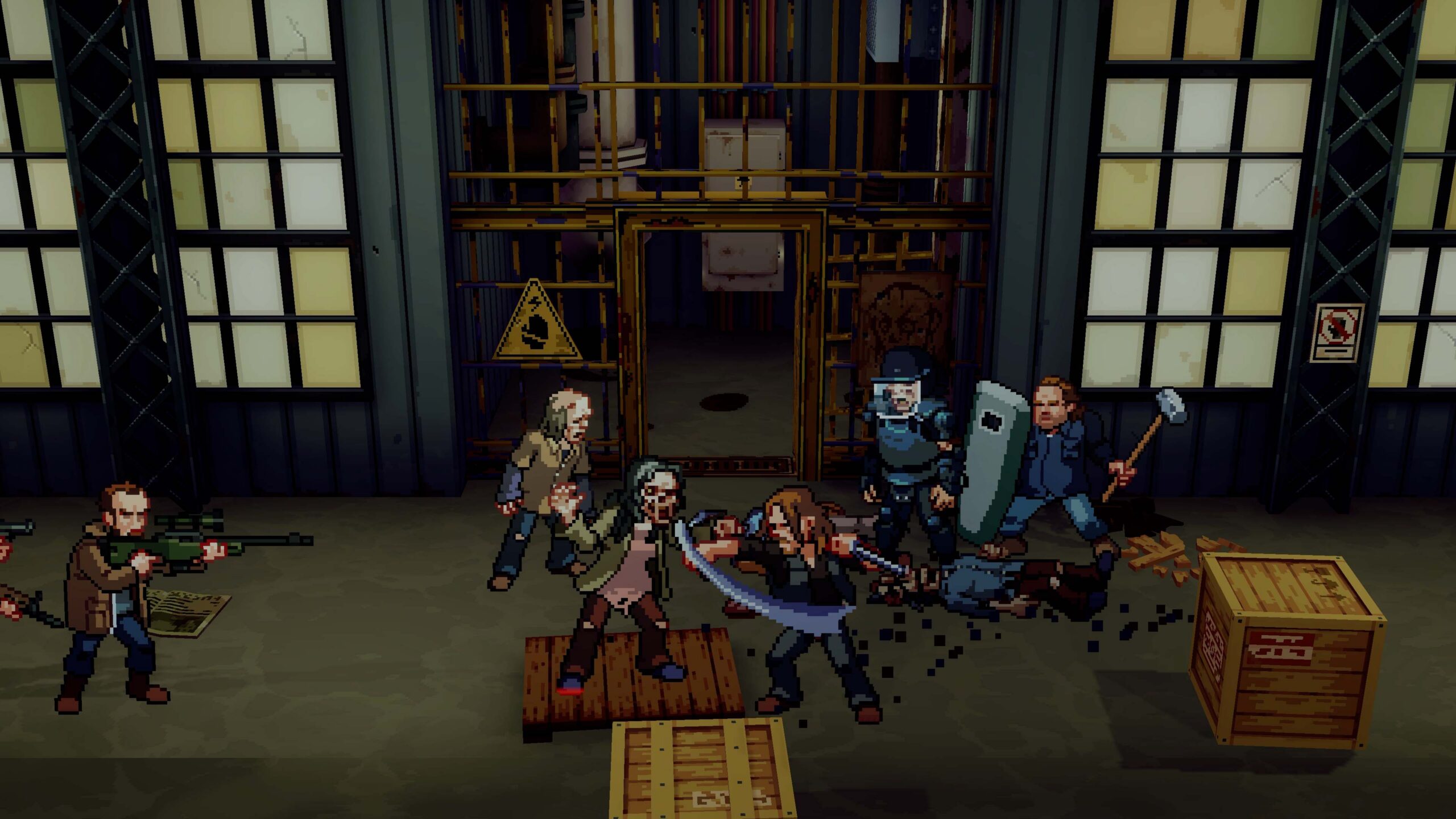
Walkers are pressure. They overwhelm through volume and they punish anyone who stands still. The Saviors are opposition: they block, they fire from a distance, and they will happily use walker hordes as cover while they line up a shot. Because both are on screen at once, you are never solving a single problem.
That separation exists to change the verb of the combat. In a classic brawler the verb is clear. Here I wanted it to be control: funnel the walkers into a narrow path, isolate the Saviors before they regroup, and save the ammo you’ll need for the targets that actually call for it.
The environments are part of that same system rather than a backdrop. Each rewards a different approach, and each one can be turned into a weapon or cost you a health bar if you move through it carelessly. Face enemies between them, lure them into more favorable positions to fight, or use your surroundings in your favor. Giving you different approaches to the same situations was an exciting challenge.
What Survives the Credits
Reaching the end credits is where the second design pass starts paying off, as you now have the option to play levels with any character, including the unlockable Negan.
Each playable character’s skill tree branches, so a second run with the same survivor is a different build, and playing the same level with a different survivor creates a totally different game. The higher difficulty settings are not damage multipliers: they turn chaotic encounters into tactical puzzles where positioning is the only thing that keeps you alive. Whether you’re returning with a different survivor, experimenting with a new skill path or pushing into higher difficulties, the goal is for every run to ask you to approach the apocalypse differently. The Walking Dead: Streets of Survival is available now on Xbox Series X|S and PC.


The Walking Dead: Streets of Survival
Trailmark Games